خشب العود
ما هو العود؟
العود ليس خشبًا. العود هو ما ينتجه الشجر عند جرحه — راتنج يُخزَّن لعقود كدفاع. هذه الحقيقة وحدها تفسّر السعر والندرة والرائحة.
~١٪
من أشجار العود تنتج الراتنج في البرية
+٢٠
عامًا حتى يتكوّن خشب العود الصالح
CITES II
الجنس تحت الحماية

من الشجرة إلى الزجاجة
عشرون عامًا ثم ستة أشهر
لا يمكن تقصير شيء في هذا التسلسل. هذا هو ثمن العود الحقيقي كاملًا.
01
الشجرة
أشجار العود، تايلاند. عشرون عامًا وأكثر قبل أن يُؤخذ في الحسبان.
02
الجرح
جرح وفطر فقط يطلقان تكون الراتنج. حوالي واحد بالمئة من الأشجار يفعل ذلك في البرية.
03
الخشب
خشب القلب المشبّع بالراتنج. كلما اشتدت العروق سوادًا زادت الراتنج كثافة.
04
التقطير
البخار يستخرج الراتنج من الخشب. من كيلوغرامات الخشب تُولد مليلترات من الزيت.
05
الإنضاج
سويسرا. يرتاح عود أمل ستة أشهر قبل الترشيح والتعبئة.


يشير M'OUD إلى خشب العود الغني بالراتنج، والذي يتكون بشكل أساسي في أشجار من جنس Aquilaria و Gyrinops، بالإضافة إلى زيت العطر المستخلص منه. يمكن أن تكون طبيعته خشبية، بلسمية، جلدية، فاكهية أو حيوانية. وتعتبر المادة الخام وعملية معالجتها هي العوامل الحاسمة. يمكن أن يحتوي العطر الذي يتميز بنوتة العود على زيت العود الطبيعي، أو مزيج مُصنع، أو كليهما.12
من يريد فهم M'OUD، يجب عليه التمييز بين ثلاثة أشياء: الشجرة، والمادة العطرية الموجودة في الخشب، والتركيبة النهائية على الجلد. تكمن بين هذه العناصر عمليات بيولوجية، وقرارات حرفية، وعمل صناعة العطور. ومن هنا بالتحديد تبدأ قصة هذه المادة العطرية المميزة.
29 دقيقة قراءة · 29 مصدر
ما معنى كلمة عود
كلمة "عود" العربية تعني الخشب أو العصا. في عالم العطور، يشير العود غالباً إلى خشب العود (Agarwood) أو زيته؛ و"Oudh" هي طريقة تهجئة أخرى. كما يُطلق اسم "عود" على آلة العود الموسيقية العربية. ومن البديهي أن اشتراك الكلمة لا يجعل الآلة الموسيقية مادة خاماً للعطور.
تتواجد مصطلحات متعددة في التجارة. يساعد هذا الجدول في التمييز بين أنواع المنتجات:
| المصطلح | المقصود به | ما لا يمكن استنتاجه منه |
|---|---|---|
| Agarwood أو خشب العود | الخشب المشبع بالمواد العطرية والراتنج | أن كل قطعة لها نفس قوة الرائحة |
| زيت العود أو دهن العود | منتج يُباع كزيت عود؛ وبالمعنى الدقيق، هو زيت الخشب المستخلص | أن كل سلعة تجارية غير مخففة وغير مغشوشة |
| عطر العود | تركيبة عطرية جاهزة بموضوع العود | نسبة زيت العود الطبيعي الموجودة فيه |
| أكور العود (Oud-Akkord) | تركيبة تعطي انطباع رائحة العود | أنها تتكون من جزيء واحد فقط |
| مخلط | مزيج عطر | أنه يحتوي حصرياً على العود |
| بخور | تسمية للمواد التي تُحرق، وغالباً ما تكون مزيجاً عطرياً | أنه عبارة عن خشب العود النقي |
| عطار أو عطر | مصطلح للعطر أو الزيت العطري بتقاليد تختلف إقليمياً | وصفة موحدة أو احتوائه تلقائياً على مواد طبيعية بنسبة مئة بالمئة |
على الرغم من أن الزيت، وخشب البخور، والعطور الممزوجة تنتمي إلى نفس الثقافة العطرية، إلا أنها منتجات مختلفة. وتوثق التقارير التجارية هذا التنوع خاصة في منطقة الخليج.3
كيف يتكون العود في الشجرة
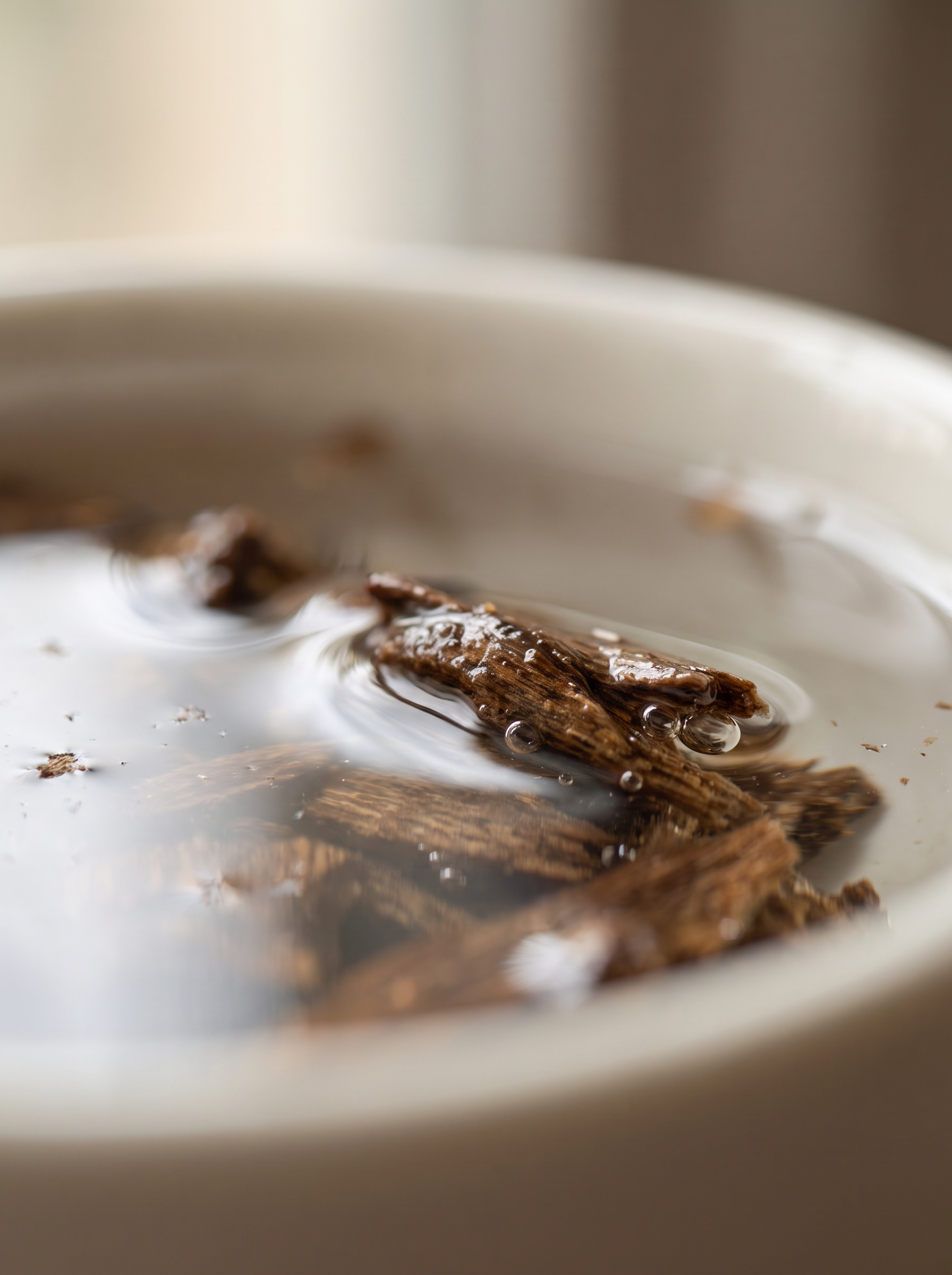
لا تتكون شجرة Aquilaria السليمة من خشب عطري ثمين داكن اللون بالكامل. بل ينشأ تراكم الراتنج المرغوب فيه كرد فعل على الإجهاد والإصابة. وفي هذه العملية، تقوم الشجرة بتغيير عملية التمثيل الغذائي لديها. حيث يمكن أن تتفاعل الإصابات والكائنات الحية الدقيقة ومحفزات الإجهاد الأخرى معاً. إن القصة التي تتردد كثيراً عن وجود فطر واحد يحول كل شجرة عود هي قصة مبسطة للغاية.1
تُظهر الأبحاث حول التلقيح أن أنواعاً مختلفة من الفطريات يمكنها تحفيز مثل هذه التفاعلات. وتعد الشجرة في هذه الحالة منتجاً كيميائياً حيوياً نشطاً. إذ تؤثر الكائنات الحية التي تعيش داخل الخشب أو التي يتم إدخالها عليه مع دفاعات الشجرة على بعضها البعض. ولا ينتج عن كل معالجة نفس الكمية أو نفس الملف التعريفي للمواد.4
تشمل قائمة المواد المميزة في خشب العود (Agarwood) مركبات Sesquiterpene و 2-(2-Phenylethyl)chromone. ومع ذلك، فإن الخشب الراتنجي وزيته المقطر ليسا متطابقين كيميائياً: حيث تنقل عملية التقطير في المقام الأول المكونات المتطايرة بدرجة كافية. ومن يقوم بتسخين الخشب أو فحص مستخلص ما أو شم زيت، فإنه ينظر إلى أجزاء مختلفة من نفس المادة.1
من أين يأتي M'OUD وأين يتم إنتاجه
يعود الأصل النباتي إلى جنوب وجنوب شرق آسيا. وتشمل مناطق المنشأ ذات الصلة، من بين أمور أخرى، شمال شرق الهند وبنغلاديش، بالإضافة إلى مناطق البر الرئيسي والجزر في جنوب شرق آسيا. وتعد الصين أيضاً منطقة مهمة لخشب العود (Agarwood). يضم جنس Aquilaria و Gyrinops أنواعاً متعددة؛ ولا يشير مصطلح «Oud» إلى نوع واحد موحد من الأشجار عالمياً.10
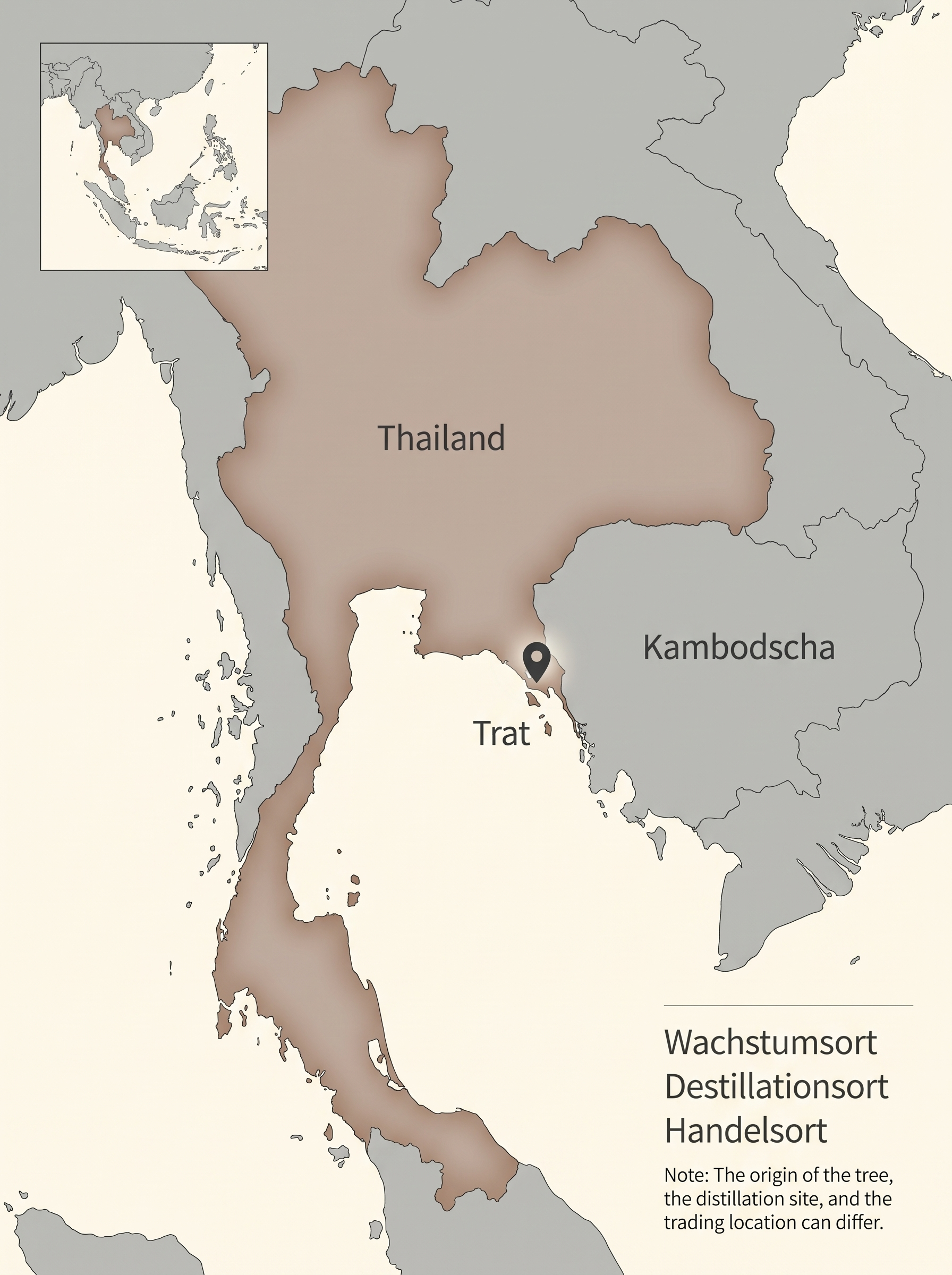
بالنسبة لأي سلعة محددة، يجب التمييز بين ثلاثة مواقع على الأقل: أين نمت الشجرة؟ وأين تم استخلاص الزيت؟ وأين تم تركيب العطر النهائي وتعبئته؟ يضاف إلى ذلك دول التجارة وإعادة التصدير. لذلك، فإن الشحنة القادمة من دبي لا تعني بالضرورة أنها مكونة من خشب نما هناك. وتشمل التجارة في دولة الإمارات العربية المتحدة صراحةً عمليات الاستيراد والمعالجة اللاحقة وإعادة التصدير.3
هذا التمييز يحمي أيضاً من الاعتماد على خريطة روائح مبسطة للغاية. قد يوفر اسم البلد توجيهاً عاماً، لكنه لا يكفي للتنبؤ بالرائحة الفعلية لشحنة معينة.
العود من ترات في تايلاند
تقع ترات في شرق تايلاند بالقرب من كمبوديا. في عالم العود، يمثل هذا الاسم منطقة منشأ ومعالجة تجتمع فيها المواد المزروعة والتقطير الحرفي. يصف تقرير رحلة لأحد تجار العود التجاريين من عام 2023 زيارات لمنتجين محليين ومزارع Crassna المزروعة. يقدم التقرير رؤى مباشرة، لكنه يظل تقريرًا من مشارك تجاري في السوق.11
كيف تكون رائحة العود من ترات؟ تبدأ الإجابة الأفضل بتجربة العينة. قد تتناسب الانطباعات الحلوة أو الفاكهية أو الخشبية أو الجلدية أو الحيوانية مع وصف زيت معين، لكنها ليست تعريفًا ملزمًا للمقاطعة. خاصة مع العود، يمتزج اسم المنشأ وأسلوب التصنيع ارتباطًا وثيقًا: فمن يقوم بإعداد أو تقطير نفس المادة الخام بطريقة مختلفة يمكنه إبراز جانب مختلف.
يصف تقرير لأحد المصنعين عمليات تقطير مختلفة لخشب ترات في تايلاند وأسام وباكستان. هذه إشارة واضحة على أهمية العملية. ونظرًا لأن عدة ظروف تغيرت في نفس الوقت، فإن المقارنة لا تثبت الحصة النسبية لكل من الماء أو المناخ أو المعدات أو طريقة العمل.12
لذلك، بالنسبة للعود من ترات، تكون المعلومات التالية قيمة: هوية المنتج، والنوع النباتي، وموقع أشجار العود، وطريقة الزراعة، ودفعة الحصاد، ومكان التقطير. إن عبارة "تم شراؤه في تايلاند" تختلف عن عبارة "مستخرج من أشجار في ترات". من يميز بين هذه الأمور بوضوح، يروي قصة منشأ أكثر إثارة للاهتمام.
إن كان العطر يحتوي على خشب العود الحقيقي أم على تركيبة اصطناعية يظهر بين الساعة الثالثة والسادسة — لا في الدقائق العشر الأولى.
We use cookies to improve your experience and analyze site traffic, in accordance with Swiss nDSG and EU GDPR.